Visiting Physician in NYC for Homebound and Medically Complex Patients

A visiting physician can provide medical care where the patient actually lives.

Dr.NYC's MD2Home model is designed for patients who are homebound, largely home-confined, elderly, disabled, medically complex, or unable to travel easily to a doctor's office.

Our visiting physician approach emphasizes continuity, chronic disease management, medication review, caregiver communication, and coordination with the rest of the patient's care team.

MD2Home is not an emergency service. If the patient has chest pain, severe shortness of breath, stroke symptoms, uncontrolled bleeding, severe injury, or another life-threatening condition, call 911 or go to the nearest emergency room. House call requests are reviewed for clinical appropriateness, location, insurance/payment status, and physician availability.

Request a Visiting Physician Review

If you are seeking care for a homebound patient, elderly parent, medically complex family member, or patient who cannot easily travel to appointments, contact Dr.NYC.

Request a Visiting Physician Eligibility Review

MD2Home is not an emergency service. If the patient has chest pain, severe shortness of breath, stroke symptoms, uncontrolled bleeding, severe injury, or another life-threatening condition, call 911 or go to the nearest emergency room. House call requests are reviewed for clinical appropriateness, location, insurance/payment status, and physician availability.

Why Home-Based Physician Care Matters

For many patients, the home tells part of the medical story. A visiting physician can better understand mobility limitations, fall risks, medication organization, caregiver support, nutrition concerns, and barriers that may not be obvious in an office visit.

This can be especially important for patients with chronic illness, frailty, dementia, recent hospitalization, or difficulty keeping regular appointments.

Visiting Physician Services May Include

  • Medical evaluation at home
  • Chronic disease management
  • Medication review and reconciliation
  • Post-hospital or post-rehab follow-up
  • Blood pressure, diabetes, respiratory, cardiac, and general medical follow-up
  • Coordination with home labs or imaging when appropriate
  • Specialist referral coordination
  • Communication with family members, caregivers, aides, or care managers
  • Preventive care planning when appropriate
  • Advance care planning conversations when clinically appropriate

A Patient-Centered Medical Home Approach

MD2Home is built around Patient-Centered Medical Home principles. That means the physician's role is not limited to a single visit. The focus is on understanding the whole patient, coordinating care, managing chronic conditions, and helping the patient remain safely at home whenever appropriate.

For homebound patients, this model can be especially valuable because medical needs, family support, mobility, medications, and home safety are closely connected.

Patients Who May Benefit

A visiting physician may be appropriate for patients who:

  • Have difficulty leaving home without major assistance
  • Are elderly, frail, disabled, or medically complex
  • Have multiple chronic illnesses
  • Recently returned home from the hospital or rehabilitation
  • Need frequent medication review or care coordination
  • Depend on family members, aides, or caregivers
  • Have repeated ER visits or hospitalizations
  • Need physician oversight in the home setting

How to Start

The first step is a short eligibility review. We ask about the patient's medical condition, mobility, location, insurance or payment status, current care team, and reason for requesting a visiting physician.

If MD2Home is appropriate, we will explain the next steps for scheduling and follow-up.
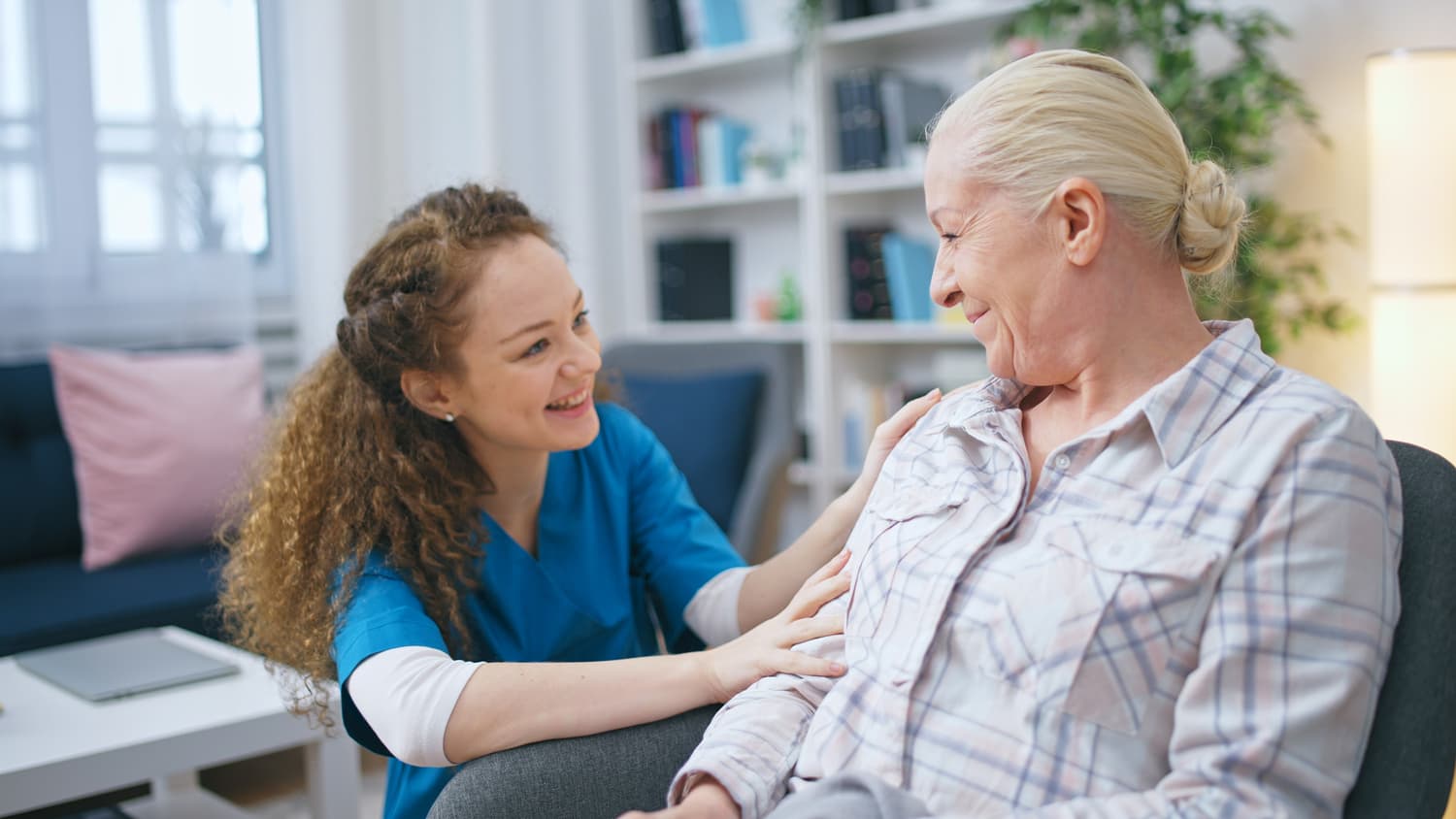
A visiting physician caring for an elderly patient in her NYC home.

FAQ

Is MD2Home for anyone who wants a doctor to come to their home?

No. MD2Home is designed primarily for homebound and largely home-confined patients, medically complex patients, older adults, and patients whose mobility or health condition makes office-based care difficult.

Do you provide emergency medical care?

No. MD2Home is not an emergency medical service. If the patient has chest pain, severe shortness of breath, stroke symptoms, uncontrolled bleeding, severe injury, loss of consciousness, or another life-threatening condition, call 911.

Can a family member or caregiver request a visit?

Yes. Many requests come from adult children, spouses, caregivers, aides, or care managers. We may ask for information about the patient's condition, mobility, location, current doctors, medications, and care needs.

Does every request result in a house call?

No. Every request is reviewed for clinical appropriateness. Some patients may need a house call, while others may need emergency care, office follow-up, telehealth, labs, imaging, medication coordination, or specialist referral.

What types of patients are usually appropriate?

MD2Home may be appropriate for elderly, frail, disabled, chronically ill, medically complex, recently hospitalized, or largely home-confined patients who have difficulty traveling to medical appointments.

What is a Patient-Centered Medical Home approach?

A Patient-Centered Medical Home approach focuses on coordinated, continuous, patient-centered care. For MD2Home, that means looking beyond a single visit and considering the patient's chronic conditions, medications, home environment, family support, and follow-up needs.

Request a Visiting Physician Review

If you are seeking care for a homebound patient, elderly parent, medically complex family member, or patient who cannot easily travel to appointments, contact Dr.NYC.

MD2Home is not an emergency service. If the patient has chest pain, severe shortness of breath, stroke symptoms, uncontrolled bleeding, severe injury, or another life-threatening condition, call 911 or go to the nearest emergency room. House call requests are reviewed for clinical appropriateness, location, insurance/payment status, and physician availability.